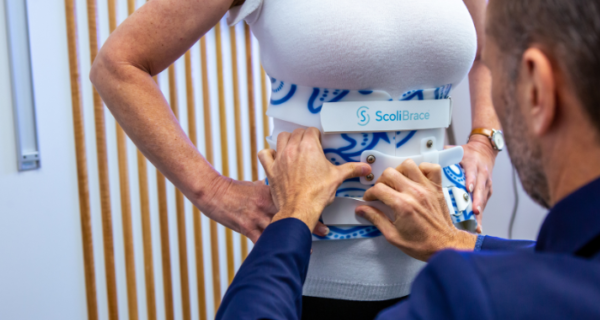
Many people think scoliosis is only a teenager’s problem – but in reality, it’s surprisingly common in older adults. Research* shows that more than one in three adults over 60 have scoliosis, and in those aged 60–90, the rate may be as high as 68%.
In seniors, scoliosis often develops from age-related spinal changes, known as degenerative de novo scoliosis. This type of scoliosis is almost always progressive and often painful, causing potential pain and mobility issues.
Common Signs and Symptoms
Adult scoliosis can affect much more than appearance. Seniors may experience:
- Back or nerve pain that radiates into the legs
- Forward lean or a visible spinal curve
- Loss of height over time
- Difficulty with balance or walking
- More frequent falls
- Reduced independence and quality of life
Since falls are a leading cause of injury in older adults, care that restores balance and stability is critical.
Why Adult Scoliosis Requires a Different Approach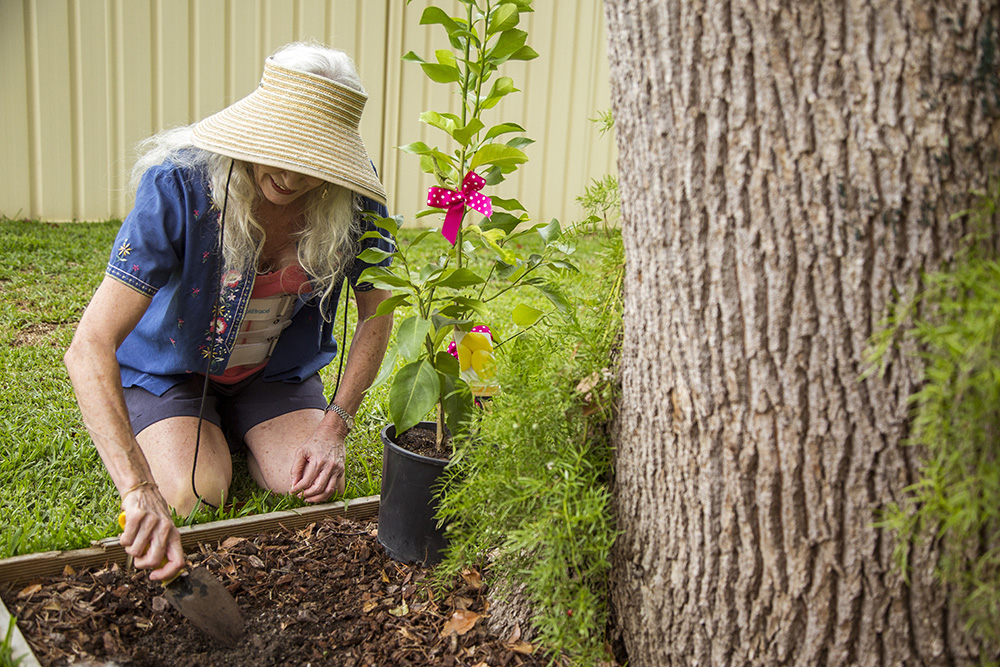
Unlike younger patients, adults no longer have growing spines. Their curves are usually stiffer and harder to correct. But the good news: small improvements can make a big difference. Even modest changes in posture, pain levels, or balance can improve daily function and confidence.
Non-Surgical Care – ScoliBrace® for Adults
The Adult ScoliBrace® is a custom-made brace designed specifically for older patients. Its focus is postural realignment and spinal stabilization. It can help:
- Support upright posture and balance
- Reduce spinal instability
- Ease pain and discomfort
- Slow further degenerative changes
ScoliBalance® Rehabilitation
ScoliBalance® is an individualized scoliosis specific exercise program that helps strengthen the spine and core. It aims to:
- Improve posture and alignment
- Enhance core stability
- Increase flexibility and balance
- Support long-term mobility
Why Combine Both?
ScoliBrace® provides spinal support and realignment, while ScoliBalance® strengthens the muscles that maintain it. Together, they address both structure and function – helping seniors stay more upright, steady, and confident in everyday life.
The Takeaway
Scoliosis in older adults presents unique challenges, but also real opportunities for meaningful improvement. While surgery may not be ideal for many seniors, non-surgical care can help restore comfort, mobility, and independence.
If you or a loved one are over 60 and experiencing back pain, posture changes, or increasing imbalance, don’t dismiss it as “just aging.” Ask a ScoliBrace Provider about ScoliBrace® and ScoliBalance®. Early action can make the difference between struggling with daily tasks and living more comfortably and confidently.
*References:
- McAviney J, Roberts C, Sullivan B, Alevras AJ, Graham PL, Brown BT. The prevalence of adult de novo scoliosis: A systematic review and meta-analysis. Eur Spine J. 2020 Dec;29(12):2960-2969. doi: 10.1007/s00586-020-06453-0. Epub 2020 May 22. PMID: 32440771.
- Schwab F, Dubey A, Gamez L, El Fegoun AB, Hwang K, Pagala M, Farcy JP (2005) Adult scoliosis: prevalence, SF-36, and nutritional parameters in an elderly volunteer population. Spine 30(9):1082–1085
- Kotwal, S., Pumberger, M., Hughes, A., & Girardi, F. (2011). Degenerative scoliosis: a review. Hss j, 7(3), 257-264. https://doi.org/10.1007/s11420-011-9204-5